Phoenix Photographer for Family Sessions
Boost Your Brand: The Role of Professional Photography in Achieving Business Excellence
In the current competitive landscape, the value of professional photography cannot be ignored. Businesses that commit to high-quality imagery tend to experience stronger brand recognition and increased consumer trust. Visual narratives serve a critical function in establishing genuine connections with target audiences. That said, not every more info image fulfills the same objective. Understanding how to choose the right photographer and utilize visuals effectively can make a substantial difference. What strategies can brands employ to maximize the impact of their imagery?
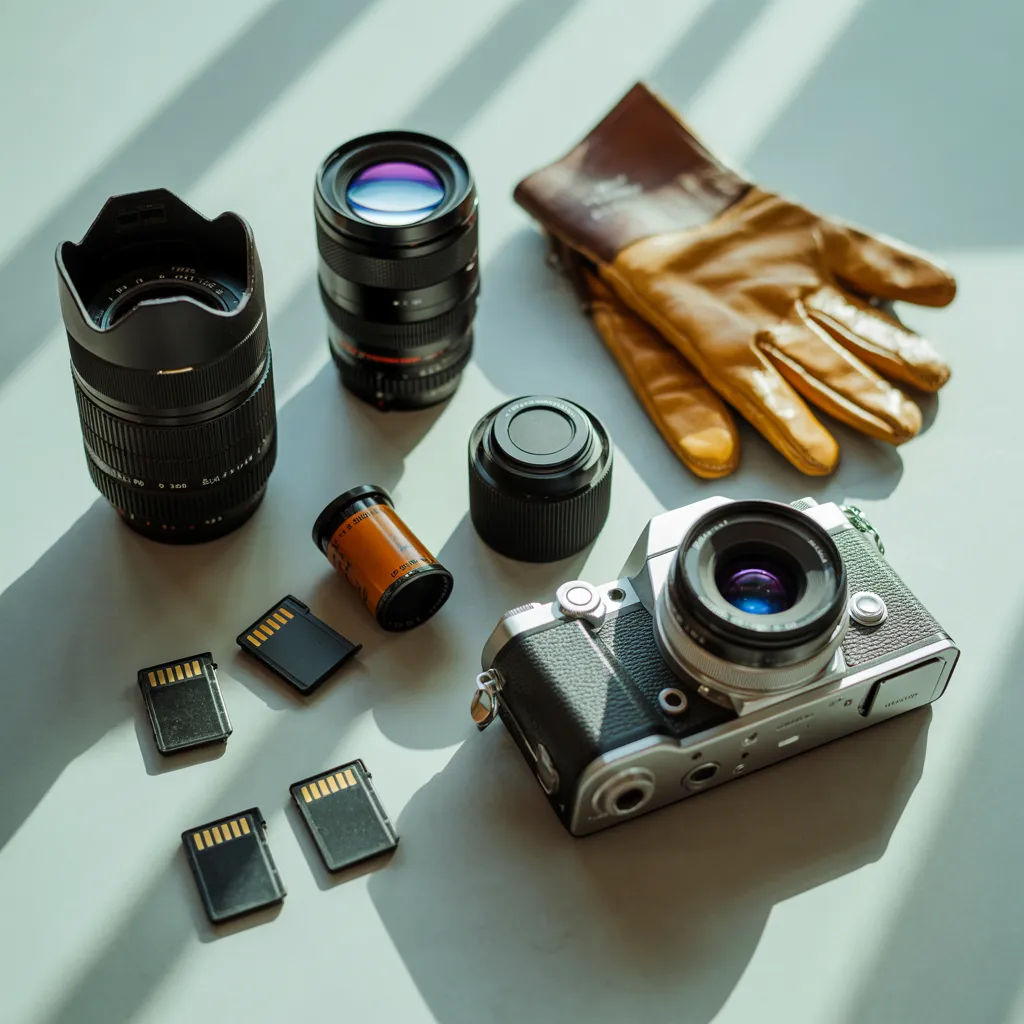
The Importance of Professional Photography You Need to Know
Why should businesses invest in professional photography? The answer lies in the power of first impressions. High-quality images can greatly enhance a brand's image, demonstrating expertise and a commitment to quality. Within a visually oriented business landscape, prospective clients frequently evaluate a company through its visual presentation. Professional photography showcases products and services in their best light, capturing and maintaining the curiosity of prospective buyers.
Additionally, cohesive and polished visuals aid in building a recognizable brand identity. Authenticity is essential; professionally taken images can craft a relatable story that appeals to a wide audience. Such an investment may result in greater audience engagement across diverse digital channels, from websites to social media channels.
In the end, businesses that invest in professional photography emerge as industry leaders, fostering trust and credibility. In an era where imagery holds unparalleled power, the demand for professional images is not just valuable—it's essential for lasting growth.
How Visual Storytelling Shapes Brand Engagement
In today's fast-paced business world, visual storytelling has become an essential instrument for brand engagement. By weaving narratives through images, brands can establish deep emotional ties with their followers, rendering their content more impactful and lasting. This approach transcends traditional marketing techniques, permitting organizations to convey their principles, objectives, and identity through powerful visuals.
Compelling visual narratives captures attention and fosters deeper interactions, encouraging consumers to invest in the brand. It enables businesses to showcase their products and services in context, demonstrating how they improve daily living. Through carefully curated imagery, businesses can showcase their key differentiators and set themselves apart from the competition.
Furthermore, storytelling through visuals boosts social media presence, as distributable content boosts exposure and stimulates audience engagement. By utilizing striking visuals that align with target audiences, companies can build loyalty and foster engagement, ultimately contributing to long-term business success.
How Premium Images Establish Consumer Trust
High-quality images act as a foundation for establishing consumer trust in today's online marketplace. They provide a pictorial depiction of a brand's character, conveying professionalism and attention to detail. When consumers are presented with clear, professionally composed visuals, they are prone to view the brand as trustworthy and dependable. This understanding is critical, especially in an environment filled with competition and misinformation.
In addition, professional images significantly improve the overall user experience, turning websites and social media platforms into more engaging spaces. They enable prospective customers to picture products or services, nurturing a sense of recognition and comfort. As consumers increasingly rely on visual cues to inform their purchasing decisions, companies that invest in professional imagery set themselves apart from the competition.
At its core, the impact of high-quality images transcends simple visual elements; they build a solid foundation for trust, encouraging customer loyalty and driving business prosperity.
Tips for Choosing the Ideal Photographer
Choosing the right photographer is vital for matching visual content with a brand's identity. It involves carefully defining the company vision, evaluating the quality of the photographer's portfolio, and examining budget options. By addressing these key factors, businesses can make informed decisions that enhance their visual identity.
Shape Your Brand Vision
A clear brand strategy serves as the cornerstone for choosing the most suitable photographer. Businesses must first articulate their identity, values, and target audience, as this clarity directs the photographic style needed to successfully convey their message. Recognizing whether the brand gravitates toward a sleek, modern look or a bold, energetic style is vital. Furthermore, establishing clear objectives—such as enhancing online presence or creating impactful marketing materials—will influence the selection of a photographer whose skill set aligns with these aims. By understanding the desired emotional response from the audience, companies can confirm they choose a photographer who can embody the core of their business identity. This deliberate coordination ultimately enhances the total quality of the visual storytelling.
Evaluate Portfolio Quality
When evaluating photographers, the quality of their portfolio serves as a vital indicator of their capabilities. A comprehensive portfolio showcases a range of styles and subjects, allowing interested clients to assess the photographer's versatility and technical skills. It is essential to look for consistency in lighting, composition, and image quality, as these factors reflect the photographer's attention to detail. Moreover, assessing prior work relevant to the specific field can provide insight into how well the photographer grasps branding and marketing demands. Case studies or testimonials accompanying the portfolio may also boost credibility. In conclusion, a well-curated portfolio not only reflects artistic vision but also indicates the photographer's ability to deliver results that align with a business's objectives.
Think About Budget Considerations
Evaluating portfolio quality lays the basis for finding the most suitable photographer, but budget considerations play an equally important role in the decision-making process. Businesses must establish a clear budget that corresponds to their business objectives. This budget should include not only the photographer's fees but also possible extra expenses, such as travel, editing, and licensing. Reviewing various photographers helps companies achieve a middle ground between excellence and budget. It is essential to outline needs and expectations from the start to prevent unforeseen costs. Additionally, some photographers might present package deals or discounts for larger projects, offering additional choices for cost-aware companies. At the end of the day, careful financial planning can lead to a successful collaboration that enhances brand image without going over budget.
Utilizing Images Efficiently Across Platforms
Harnessing the strength of images can considerably improve a brand's standing across various platforms. Effective image use requires an understanding of the specific characteristics of each platform. For example, vibrant, eye-catching visuals work well on social media, driving user engagement and sharing. In contrast, clean, professional images are crucial for websites and e-commerce platforms, where they foster trust and credibility.
Additionally, visual style consistency—fonts, color schemes, and image quality—strengthens brand identity. Adjusting images for particular formats, including square for Instagram and landscape for Facebook, ensures optimal display and viewer experience. Moreover, using images in email marketing may substantially improve open and click-through rates.
Case Studies: What Successful Brands Can Teach Us
Top businesses showcase the remarkable difference of professional visual content on business outcomes. As an example, a well-known cosmetics company revamped its marketing approach by utilizing high-quality images that showcased its merchandise in natural settings. This shift produced a 30% increase in e-commerce sales over a six-month period, illustrating the impact of engaging visual content.
In the same way, a upscale hotel group utilized professional photography to feature its distinctive amenities and stunning views. The impressive imagery not only elevated their website but also elevated engagement on social media, leading to a 50% growth in direct reservations.
A further illustration is a fashion business that prioritized a harmonious brand image through high-quality photo productions. This method not only strengthened its brand identity but also fostered a loyal customer base, evidenced by a 40% growth in recurring sales. These success stories demonstrate how the purposeful adoption of professional photography can greatly enhance brand perception and generate measurable results.
Questions We Often Receive
What Is the Typical Budget for Professional Photography Services?
Planning a budget for professional photography generally falls between $500 and $5,000, influenced by elements including project complexity, the photographer's experience level, and usage rights. Businesses should assess their needs to determine an appropriate budget within this range.
Can I Use Stock Photos Instead of Hiring a Professional?
Utilizing stock images may serve as a budget-friendly option to working with a professional photographer, but they may fall short on originality and individuality. Organizations need to evaluate the value of authentic visuals against financial limitations when determining imagery choices.
How Regularly Should I Update My Brand Visuals?
Companies should renew their imagery every one to two years to keep pace with evolving trends and preserve their relevance. Regular refreshes help keep the brand aesthetic fresh, captivating viewers and building lasting brand loyalty through steady, polished imagery.
What Photography Types Are Most Suitable for My Industry?
Lifestyle, product, and event photography are essential across most industries. Businesses should prioritize high-quality images that resonate with their core audience, showcasing professionalism and authenticity to strengthen brand recognition and audience engagement successfully.
How Do I Measure the Effect of Photography on My Brand?
To assess visual photography's effect on a business, one can review engagement data, measure sales conversions, gather client feedback, and assess brand awareness via surveys, ultimately assessing how photographic content impacts overall brand performance.